The Science Behind CrossFit & HYROX: What Research Says About Benefits and Risks
As CrossFit and hybrid formats like HYROX grow in popularity, so does scrutiny from the scientific community. It’s important to separate hype from evidence. Here’s a balanced dive into what research currently supports (and what it cautions) about these training modalities.
Proven benefits: what science supports
- Improved strength, power, and metabolic fitness
CrossFit-style training—combining resistance, gymnastics, and conditioning—can elevate muscular strength, endurance, VO₂ max, and body composition. Healthline+3SpringerLink+3MDPI+3
HYROX-style efforts further stress metabolic endurance, heavy carries, and fatigue management, offering a potent adaptation stimulus. - Neuromotor improvements and functional outcomes
Functional training studies (across populations) show gains in balance, gait speed, agility, and lower-body strength. ScienceDirect+2SAGE Journals+2 - Psychosocial and motivational effects
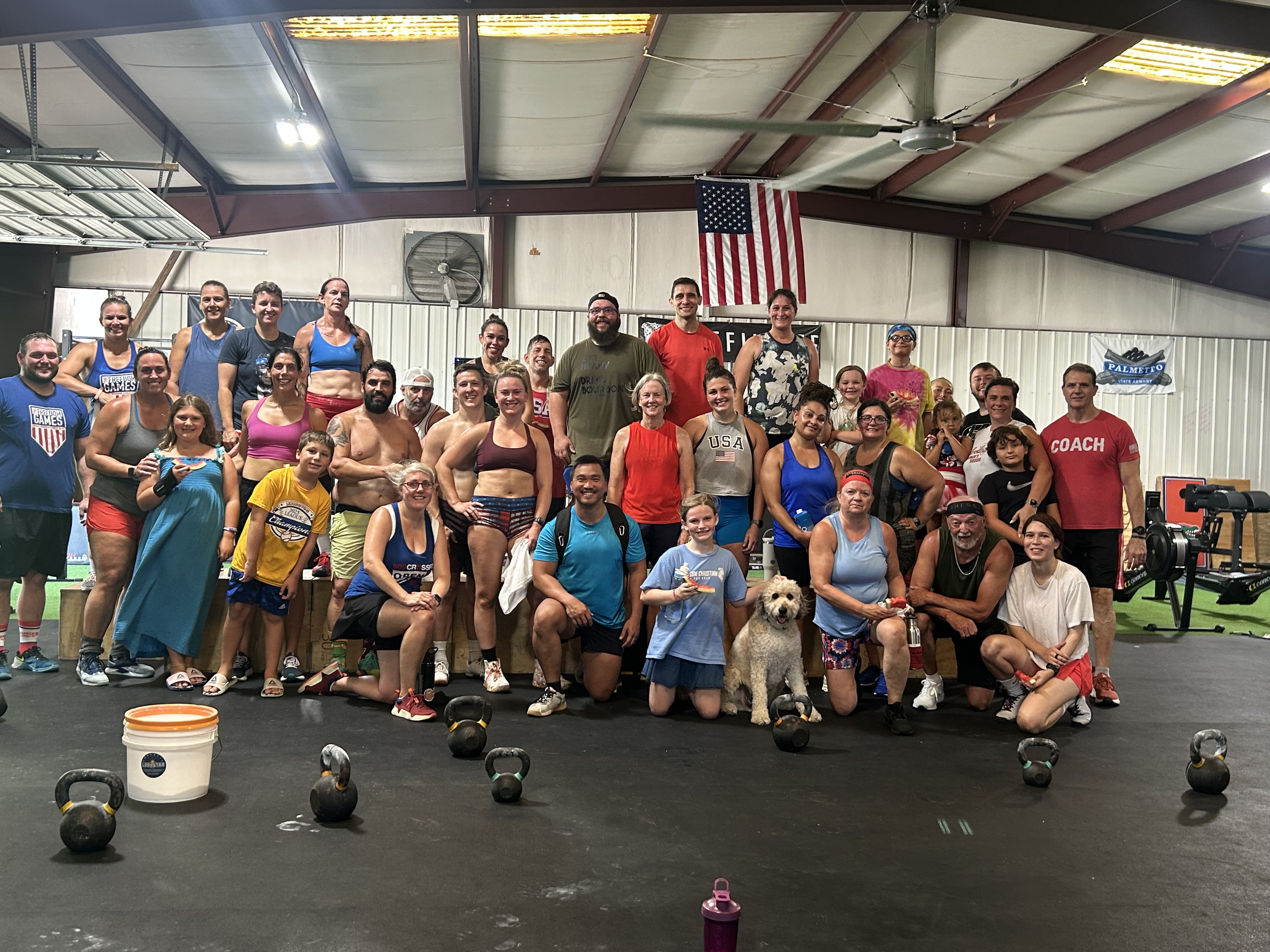
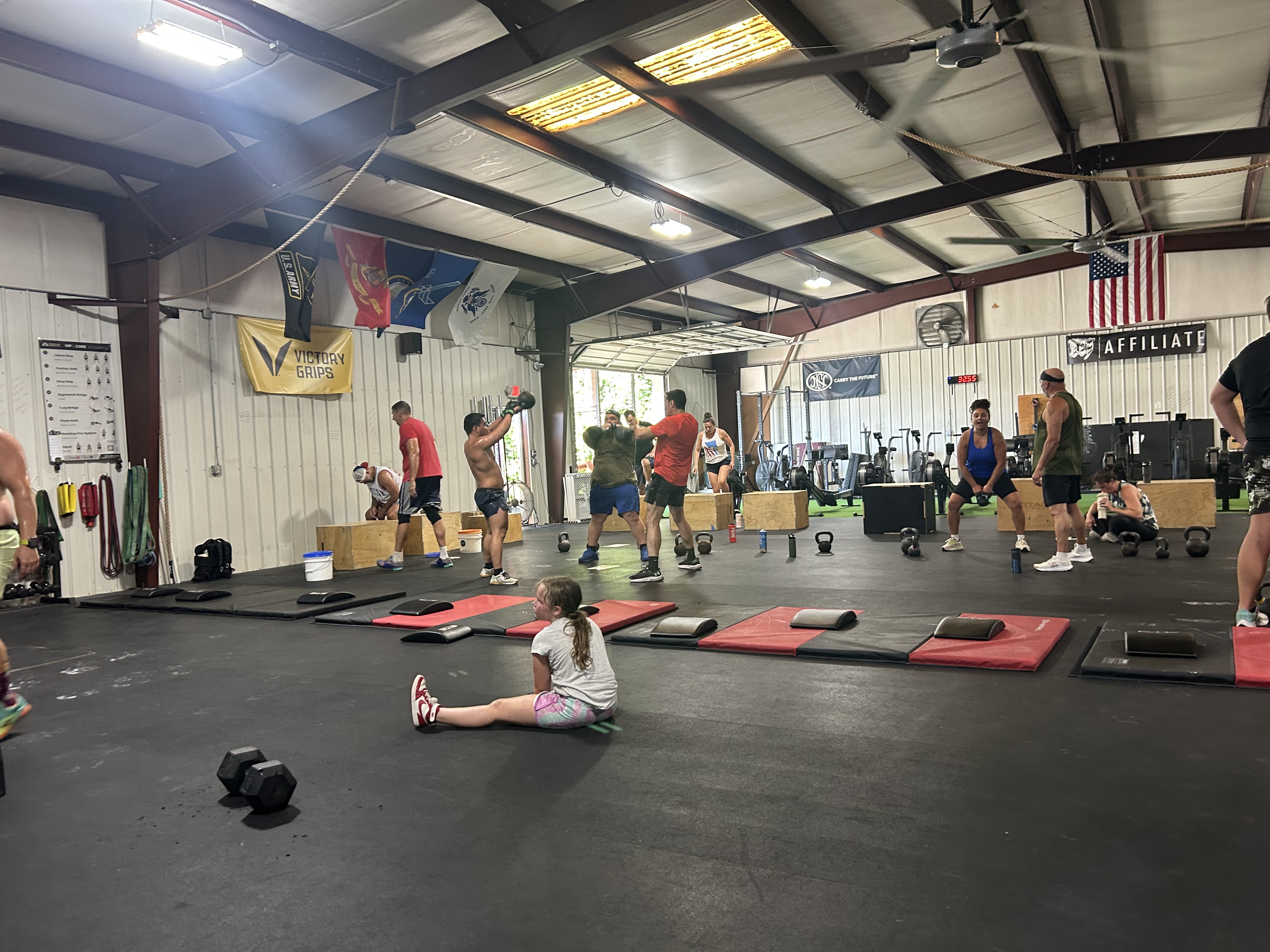
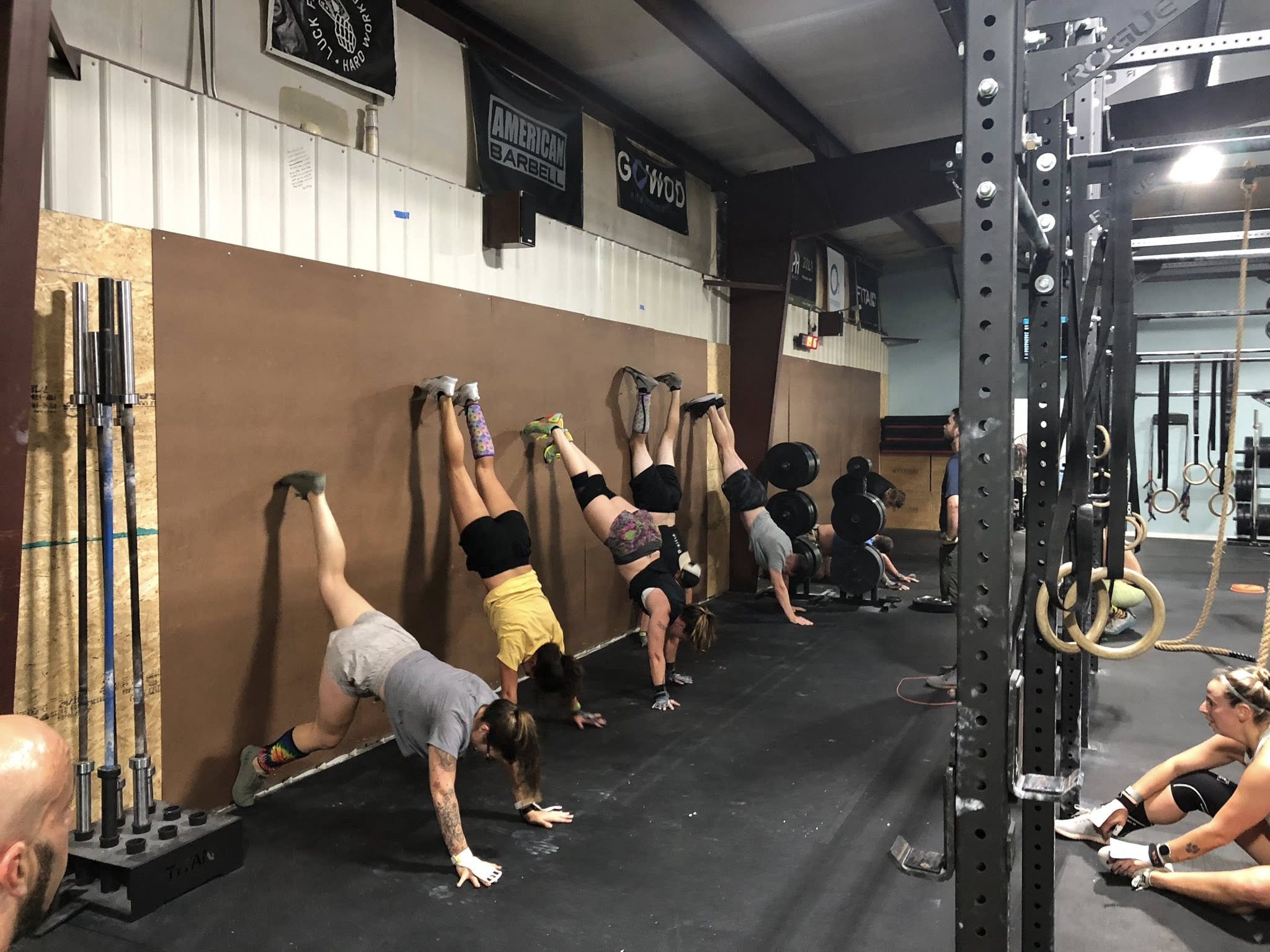
Community dynamics in CrossFit often lead to high retention and adherence. Many participants cite enjoyment, challenge, and social support as motivating factors. PMC+1
Some early work indicates acute cognitive and mood benefits following CrossFit sessions. MDPI - Quality of life and aging support
Among older adults, functional fitness is positively associated with psychological well-being, better mobility, and independence. BioMed Central+1
Risks, caveats, and controversies
- Injury risk & prevalence
Meta-analyses show that musculoskeletal injury rates in CrossFit are often comparable to weightlifting, powerlifting, and similar sports. germanjournalsportsmedicine.com+2ScienceDirect+2
But some studies report higher injury incidence in novices or when programming is mismanaged. PMC+2Lippincott Journals+2
The most common injury sites: shoulders, lower back, knees. PMC+2SpringerOpen+2 - Overtraining & burnout
The intensity and frequency of programming may push some into overtraining syndrome or chronic fatigue if recovery is neglected. Wikipedia - Scientific limitations
Many studies are cross-sectional or observational, without strong causality. There’s heterogeneity in programming, intensity, coaching, and participant backgrounds. PMC+2SpringerOpen+2 - Extreme conditions & rhabdomyolysis risk
Because CrossFit can push participants to muscular failure, there is some documented risk (though rare) of rhabdomyolysis — a serious breakdown of muscle tissue. Wikipedia+2PMC+2
Best practices to maximize benefits & minimize risk
- Always scale: use regressions and progressions based on your capacity.
- Prioritize form over load or speed.
- Incorporate rest, mobility, and periodization into programming.
- Monitor fatigue, soreness, and signs of overtraining (sleep, mood, performance dips).
- Choose qualified coaching and small group/individual guidance.
What gaps need further research
- Longitudinal randomized trials comparing CrossFit/HYROX vs. traditional training.
- Dose-response: how much volume, intensity, and rest optimally balance gains vs. injury.
- Better epidemiological data on injury in specific populations (older adults, beginners, women).
- Psychosocial & mental health outcomes over the long term.
Conclusion & stance from Lodestar
CrossFit and HYROX-style training are powerful, effective, and efficient pathways to functional fitness — but they are not magic. Research supports many of their benefits while cautioning us about risks, especially when form, programming, and recovery are neglected.
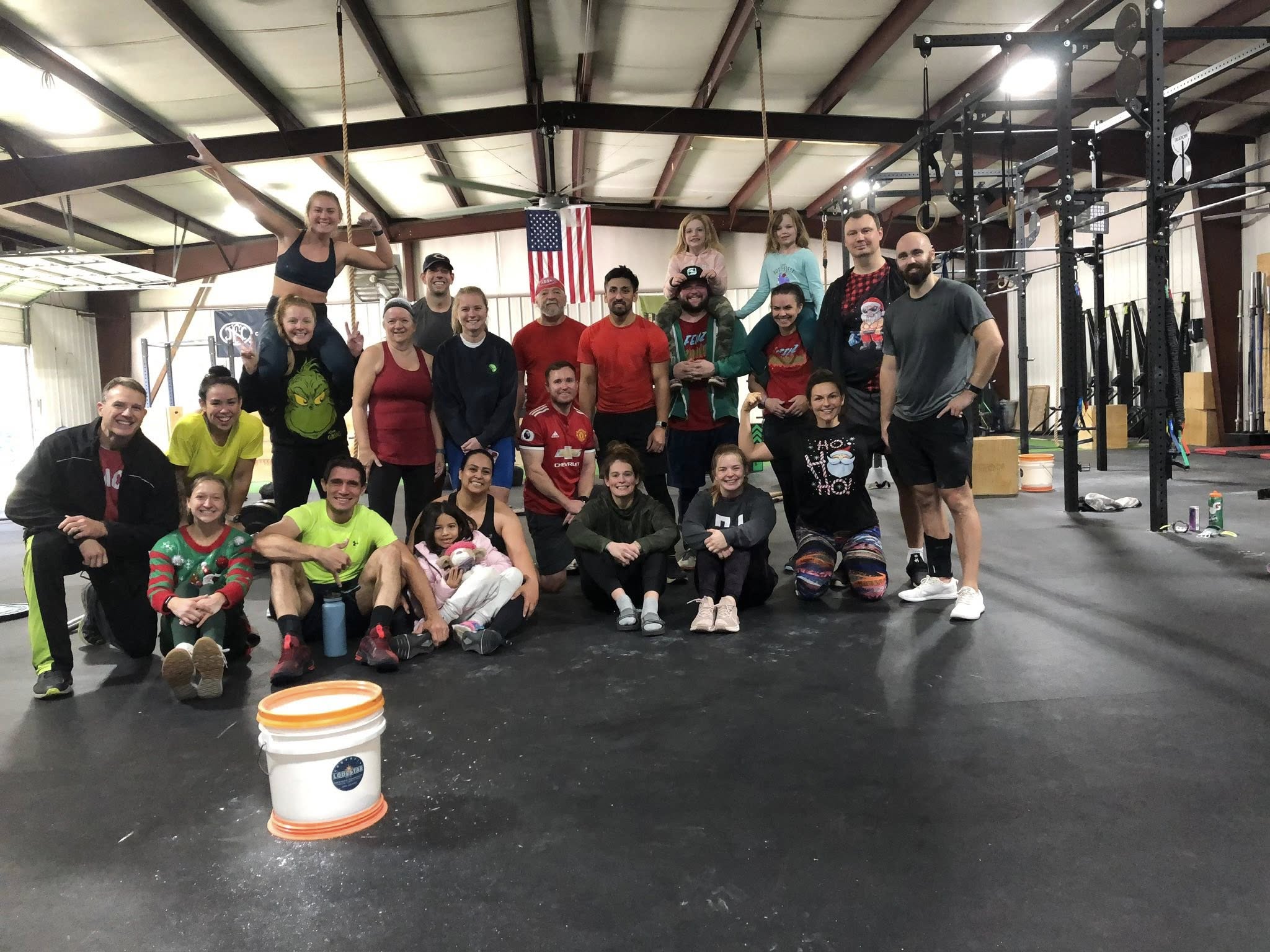
At CrossFit Lodestar, we design workouts with intention, coach movement quality, scale responsibly, and emphasize recovery and community. Use this research as a compass — not a verdict — and train with both ambition and wisdom.